EU TechStack Logo

CRM Software

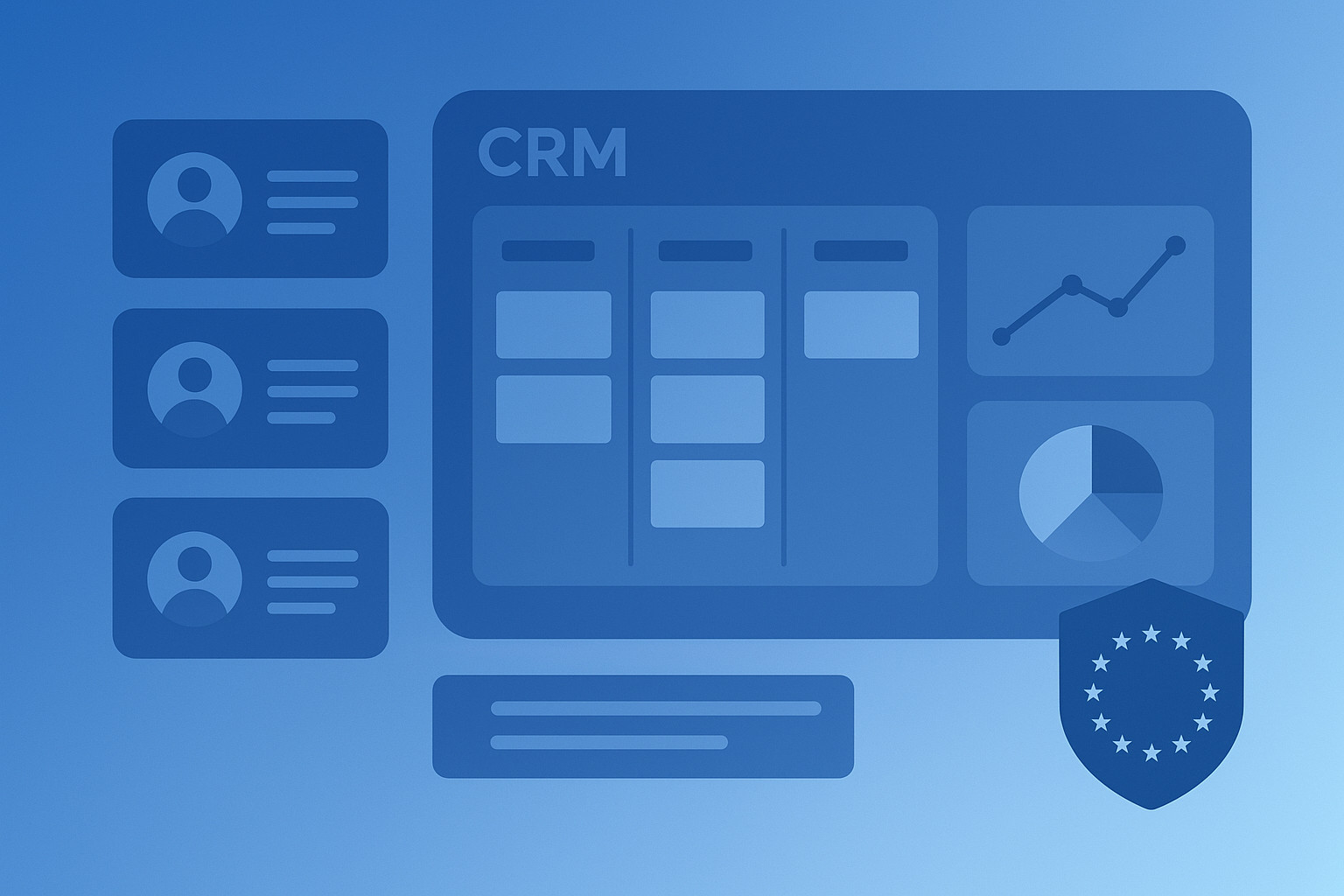
CRM software helps businesses manage customer interactions, centralising data for sales, marketing, and support. It enhances relationships, automates tasks, and provides insights, with EU vendors ensuring GDPR compliance and local expertise.

Alternatives for: Salesforce HubSpot Zoho CRM

Filter by:

29 European CRM tools

FAQ: CRM

Frequently asked questions about CRM.

What does CRM mean?
Customer Relationship Management (CRM) software is designed to help businesses manage interactions with current and potential customers. It consolidates customer information into a single database, making it accessible to various departments within an organisation. This centralisation allows for more efficient tracking of customer interactions, sales pipelines, and marketing campaigns. CRM systems often include features such as contact management, sales management, workflow automation, and customer support. These tools enable businesses to streamline processes, improve customer service, and increase sales. By providing a comprehensive view of customer data, CRM software helps companies understand their customers better and tailor their services accordingly. Modern CRM solutions also integrate with other business tools like email marketing platforms, social media channels, and analytics tools. This integration facilitates a more cohesive approach to customer engagement and data analysis.
Who uses CRM Software?
CRM software is typically used by sales teams to track leads and manage customer interactions throughout the sales cycle. Marketing departments also leverage CRM tools to segment audiences, personalise campaigns, and measure their effectiveness. Customer support teams use CRM systems to log customer issues, track resolutions, and maintain a history of customer service interactions. Additionally, business managers and executives rely on CRM analytics to gain insights into customer behaviour and business performance.
What are the benefits of CRM Software?
One of the primary benefits of using CRM software is improved customer relationships. By having all customer information in one place, businesses can provide more personalised and timely service. This leads to increased customer satisfaction and loyalty. CRM systems also enhance efficiency by automating routine tasks such as data entry, follow-up emails, and lead nurturing. This automation frees up time for employees to focus on more strategic activities. Furthermore, CRM tools provide valuable insights through data analysis, helping businesses identify trends and make informed decisions. Another significant advantage is the ability to track sales performance and forecast future sales. This helps in setting realistic targets and measuring progress towards them.
Why choose European CRM Software?
Choosing EU-based vendors for CRM software offers several advantages, particularly in terms of data sovereignty. With data stored within the EU, businesses can ensure compliance with local regulations such as the General Data Protection Regulation (GDPR). This compliance is crucial for maintaining customer trust and avoiding legal issues. EU-based vendors also provide local support, which can be more responsive and attuned to the specific needs of European businesses. This local presence ensures that any issues or concerns are addressed promptly and effectively. Additionally, EU vendors often have a better understanding of the regional market dynamics and cultural nuances. This local expertise can be invaluable in tailoring CRM solutions that meet the specific requirements of businesses operating within Europe.

Related Blog Posts

Further reading curated for this category.

← Back to Sales & Revenue ↑ Back to top