Marketing Automation Software

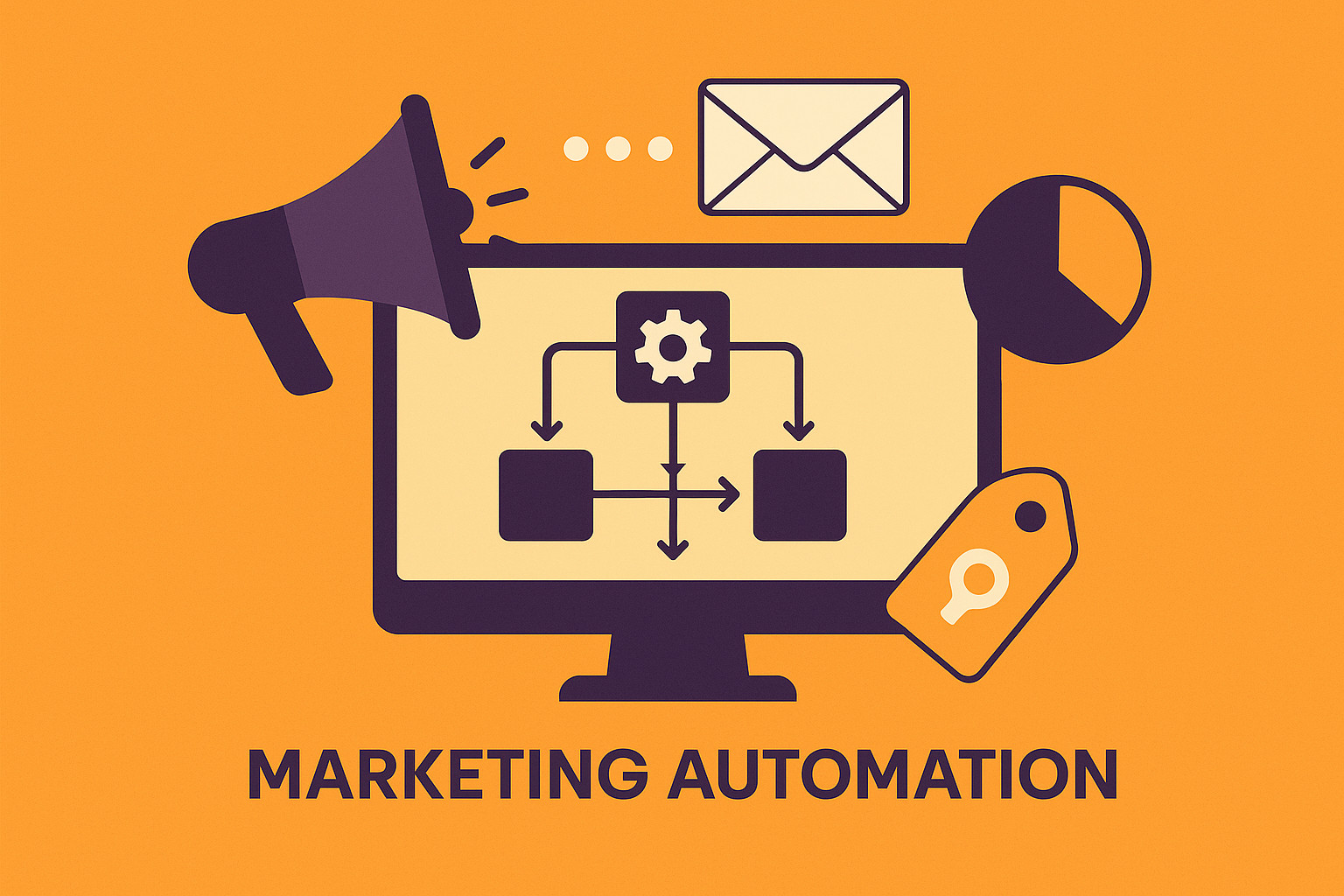
Marketing automation software streamlines tasks like email campaigns and social media posting, using workflows to send targeted messages. It enhances efficiency, personalisation, and analytics for better customer engagement and compliance with GDPR.

Alternatives for: Marketo HubSpot ActiveCampaign

Filter by:

54 European Marketing Automation tools

4Dem logo
4Dem
Acumbamail logo
Acumbamail
Agillic logo
Agillic
AGNITAS logo
AGNITAS
Aivie logo
Aivie
APSIS One logo
APSIS One
Carts Guru logo
Carts Guru
ChapsVision logo
ChapsVision
CM.com logo
CM.com
Connectif logo
Connectif
Copernica logo
Copernica
Custobar logo
Custobar
Datatrics logo
Datatrics
Deployteq logo
Deployteq
Diennea MagNews logo
Diennea MagNews
Dolist logo
Dolist
Dotdigital logo
Dotdigital
E-goi logo
E-goi
Ecomail logo
Ecomail
ELAINE logo
ELAINE
eMarketeer logo
eMarketeer
Emarsys logo
Emarsys
Evalanche logo
Evalanche
ExpertSender logo
ExpertSender
Force24 logo
Force24
Friendly Automate logo
Friendly Automate
Heyloyalty logo
Heyloyalty
Inxmail logo
Inxmail
iPresso logo
iPresso
Liana Technologies logo
Liana Technologies
MailBlue logo
MailBlue
Maileon logo
Maileon
Mailkit logo
Mailkit
mailXpert logo
mailXpert
Mapp logo
Mapp
MarketingPlatform logo
MarketingPlatform
MiniCRM logo
MiniCRM
NGDATA logo
NGDATA
Plezi logo
Plezi
RapidMail logo
RapidMail
RedEye logo
RedEye
Relay42 logo
Relay42
Retargeting.biz logo
Retargeting.biz
SalesAutopilot logo
SalesAutopilot
SALESmanago logo
SALESmanago
Smaily logo
Smaily
SmartEmailing logo
SmartEmailing
Splio logo
Splio
Spotler logo
Spotler
Ternair logo
Ternair
Ungapped logo
Ungapped
User.com logo
User.com
Voyado logo
Voyado
Webmecanik logo
Webmecanik
Missing a European tool? Let us know at info@eutechstack.eu

FAQ: Marketing Automation

Frequently asked questions about Marketing Automation.

What does Marketing Automation mean?
Marketing automation refers to software platforms designed to streamline and automate marketing tasks and workflows. These tools help businesses manage repetitive tasks such as email marketing, social media posting, and ad campaigns without manual intervention each time. By using marketing automation, companies can target customers with automated messages across email, web, social, and text. Messages are sent automatically based on sets of instructions called workflows, which can be simple or complex depending on the business needs. These platforms often include features like customer segmentation, lead nurturing, and analytics to measure the effectiveness of marketing campaigns. The goal is to increase operational efficiency and grow revenue faster by providing a more personalised experience for prospects and customers.
Who uses Marketing Automation Software?
Marketing automation tools are typically used by marketing departments in medium to large enterprises. They are also valuable for small businesses looking to scale their marketing efforts efficiently. Roles that benefit from these tools include digital marketers, campaign managers, and sales teams who need to nurture leads and track customer interactions across multiple channels.
What are the benefits of Marketing Automation Software?
One of the primary benefits of marketing automation is the ability to nurture leads with highly personalised content that guides them through the sales funnel. This can significantly improve conversion rates and customer engagement. Automation also saves time by reducing the need for manual tasks, allowing marketing teams to focus on strategy and creative aspects rather than repetitive tasks. This leads to increased productivity and more effective use of resources. Additionally, marketing automation provides valuable insights through analytics and reporting tools. These insights help businesses understand customer behaviour better and refine their marketing strategies accordingly.
Why choose European Marketing Automation Software?
Choosing EU-based vendors for marketing automation ensures compliance with stringent data protection regulations such as GDPR. This compliance is crucial for maintaining customer trust and avoiding legal issues related to data handling. EU vendors also offer local support, which can be advantageous for businesses operating within Europe. Local support means faster response times and a better understanding of regional market dynamics. Furthermore, working with EU-based providers can enhance data sovereignty, ensuring that sensitive information remains within European borders. This can be particularly important for businesses that prioritise data security and privacy.

Related Categories