EU TechStack Logo

Content Delivery Network (CDN) Services

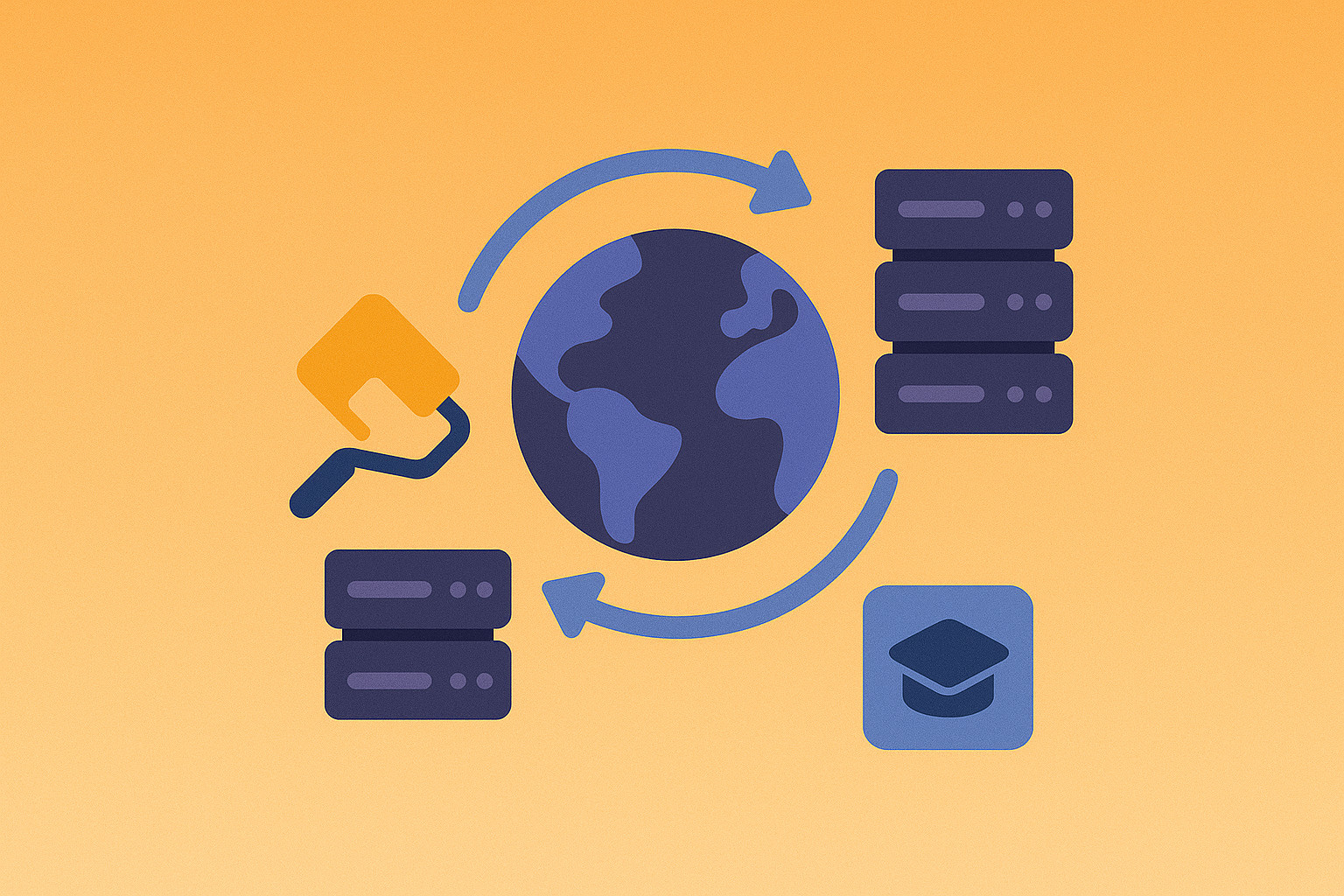
Content Delivery Networks (CDNs) use distributed servers to deliver web content efficiently based on user location. They enhance speed, reduce latency, and improve reliability by caching content globally, ensuring faster load times and better user experiences.

Alternatives for: Cloudflare Amazon CloudFront Fastly

Filter by:

8 European Content Delivery (CDN) providers

FAQ: Content Delivery (CDN)

Frequently asked questions about Content Delivery (CDN).

What does Content Delivery (CDN) mean?
Content Delivery Networks (CDNs) are systems of distributed servers that deliver web content and pages to users based on their geographic location. The primary goal is to provide high availability and performance by reducing the physical distance between the server and the user. CDNs store cached versions of content in multiple locations around the world. When a user requests content, the CDN redirects the request to the nearest server, ensuring faster load times and reduced latency. This is particularly important for delivering large files, such as videos, software downloads, and images. In addition to improving speed, CDNs help mitigate traffic spikes by distributing the load across multiple servers. This prevents any single server from becoming overwhelmed, which can lead to downtime or slow performance. CDNs also provide enhanced security features, such as DDoS protection and secure token authentication.
Who uses Content Delivery Network (CDN) Services?
CDNs are typically used by businesses with a global audience that require fast and reliable content delivery. This includes media and entertainment companies, e-commerce platforms, and software providers. Additionally, CDNs are beneficial for businesses experiencing high traffic volumes or sudden spikes in demand. News outlets, gaming companies, and educational institutions often rely on CDNs to ensure smooth and uninterrupted service.
What are the benefits of Content Delivery Network (CDN) Services?
One of the main benefits of using a CDN is improved website performance. By reducing the distance between the server and the user, CDNs can significantly decrease load times, leading to a better user experience and potentially higher engagement rates. CDNs also enhance reliability by distributing content across multiple servers. This redundancy ensures that even if one server fails, others can continue to deliver content without interruption. This is crucial for maintaining high availability and uptime. Furthermore, CDNs offer robust security features. They can protect against DDoS attacks by absorbing and mitigating malicious traffic before it reaches the origin server. Secure token authentication and other security measures help safeguard content from unauthorized access.
Why choose European Content Delivery Network (CDN) Services?
Choosing an EU-based CDN vendor offers several advantages, particularly in terms of data sovereignty and compliance with regulations such as GDPR. Data sovereignty ensures that data is subject to the laws and governance structures within the EU, providing an additional layer of legal protection. GDPR compliance is another significant benefit. EU-based vendors are well-versed in GDPR requirements and can offer solutions that help businesses meet these stringent data protection standards. This is particularly important for companies handling sensitive user data. Additionally, local support from EU-based vendors can be more accessible and responsive. Being in the same or similar time zones facilitates better communication and quicker resolution of issues. This can be crucial for businesses requiring timely support to maintain their operations smoothly.
← Back to Content Delivery & Performance ↑ Back to top