BI, Analytics & Reporting Platforms

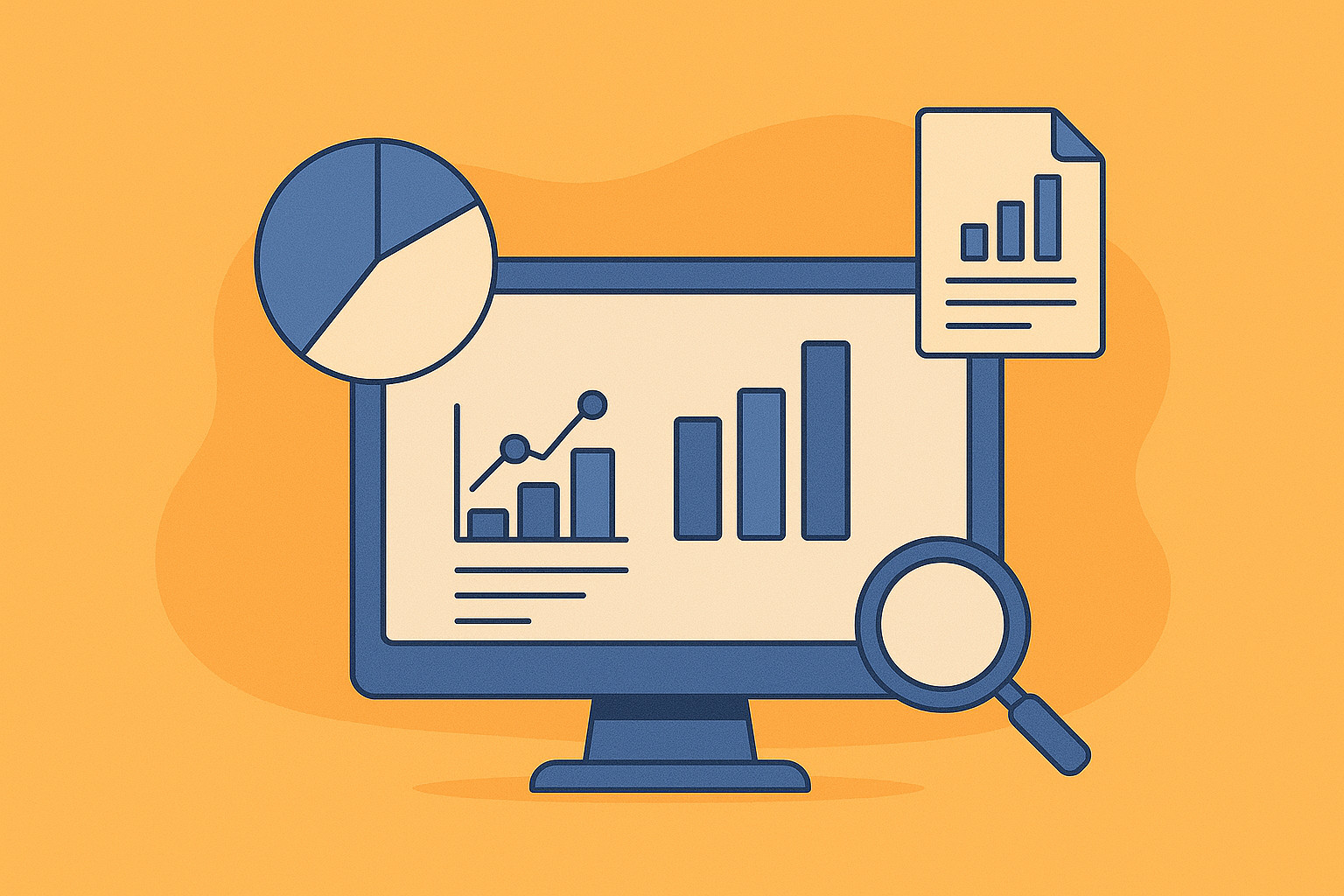
BI, Analytics & Reporting tools collect and analyse data, offering insights via visualisations and reports. They aid decision-making, improve efficiency, and ensure GDPR compliance, with EU vendors providing local support and data sovereignty.

Alternatives for: Tableau Microsoft Power BI Looker

Filter by:

27 European BI, Analytics & Reporting tools

Bissantz DeltaMaster logo
Bissantz DeltaMaster
Biuwer logo
Biuwer
ClicData logo
ClicData
Datawrapper logo
Datawrapper
Datylon logo
Datylon
DigDash Enterprise logo
DigDash Enterprise
Funnel.io logo
Funnel.io
Geckoboard logo
Geckoboard
Graphext logo
Graphext
Highcharts logo
Highcharts
Hypergene logo
Hypergene
icCube logo
icCube
Keboola logo
Keboola
KNIME Analytics logo
KNIME Analytics
Minubo logo
Minubo
Panintelligence logo
Panintelligence
Peakboard logo
Peakboard
Plausible Analytics logo
Plausible Analytics
Pyramid Analytics logo
Pyramid Analytics
RIB Software logo
RIB Software
Snowplow logo
Snowplow
Swydo logo
Swydo
Targit logo
Targit
TimeXtender logo
TimeXtender
Visplore logo
Visplore
XLCubed logo
XLCubed
Y42 logo
Y42
Missing a European tool? Let us know at info@eutechstack.eu

FAQ: BI, Analytics & Reporting

Frequently asked questions about BI, Analytics & Reporting.

What does BI, Analytics & Reporting mean?
Business Intelligence (BI), Analytics, and Reporting tools are software applications designed to collect, process, and analyse data to provide actionable insights. These tools help organisations make informed decisions by transforming raw data into meaningful information through visualisations, reports, and dashboards. Analytics tools delve deeper into data sets to identify trends, patterns, and correlations. They often employ advanced techniques such as predictive analytics and machine learning to forecast future outcomes based on historical data. This enables businesses to anticipate market changes, customer behaviour, and potential risks. Reporting tools focus on presenting data in a structured and comprehensible format. They generate regular reports that summarise key performance indicators (KPIs), metrics, and other critical business information. These reports can be customised to meet the specific needs of different departments or stakeholders within an organisation.
Who uses BI, Analytics & Reporting Platforms?
BI, Analytics, and Reporting tools are typically used by a wide range of businesses across various industries. Small and medium-sized enterprises (SMEs) leverage these tools to gain insights into their operations, customer behaviour, and market trends. Large corporations use these tools to manage complex data sets, monitor performance across multiple departments, and make strategic decisions based on comprehensive analytics.
What are the benefits of BI, Analytics & Reporting Platforms?
One of the primary benefits of using BI, Analytics, and Reporting tools is the ability to make data-driven decisions. These tools provide a clear view of business performance, helping organisations identify strengths, weaknesses, opportunities, and threats. These tools also enhance operational efficiency by automating data collection and analysis processes. This reduces the time and effort required to generate reports and insights, allowing employees to focus on more strategic tasks. Additionally, BI and Analytics tools can improve customer satisfaction by providing insights into customer behaviour and preferences. This enables businesses to tailor their products and services to better meet customer needs.
Why choose European BI, Analytics & Reporting Platforms?
Choosing EU-based vendors for BI, Analytics, and Reporting tools offers several advantages. One of the most significant benefits is data sovereignty. By selecting an EU vendor, businesses can ensure that their data remains within the European Union, complying with local regulations and reducing the risk of data breaches or unauthorised access. EU-based vendors are also well-versed in GDPR compliance. The General Data Protection Regulation (GDPR) is a stringent set of rules designed to protect the personal data of EU citizens. EU vendors are familiar with these regulations and can provide solutions that meet GDPR requirements. Local support is another key advantage. EU-based vendors can offer timely and effective support tailored to the specific needs of European businesses. This includes understanding local market conditions, languages, and business practices.

Related Categories