Website Builder & CMS Platforms

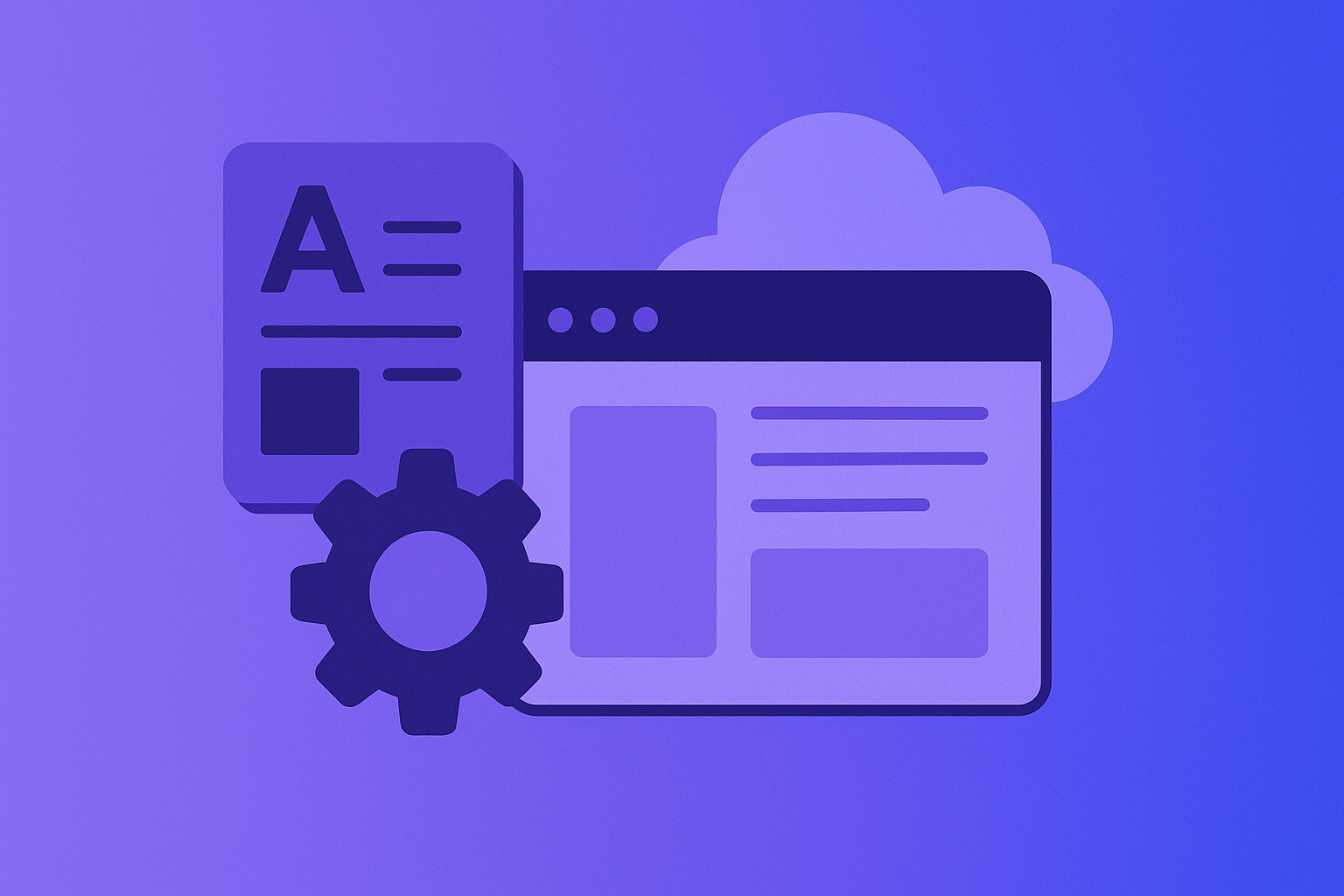
Website builders and CMS platforms enable users to create and manage websites without advanced technical skills, offering drag-and-drop functionality, templates, and content management tools for efficient digital presence establishment.

Alternatives for: Webflow Squarespace Wix

Filter by:

38 European Website Builders & CMS tools

Contentful logo
Contentful
DatoCMS logo
DatoCMS
Enonic Open Community logo
Enonic Open Community
Framer Sites logo
Framer Sites
Hostinger logo
Hostinger
Hygraph logo
Hygraph
Ibexa DXP logo
Ibexa DXP
IONOS logo
IONOS
Jimdo logo
Jimdo
Kentico Xperience logo
Kentico Xperience
Kirby CMS logo
Kirby CMS
Kontent.ai logo
Kontent.ai
KreativMedia logo
KreativMedia
Magnolia CMS logo
Magnolia CMS
Mono logo
Mono
Mozello logo
Mozello
One.com logo
One.com
OpenCms logo
OpenCms
Pimcore logo
Pimcore
Portfoliobox logo
Portfoliobox
Prepr logo
Prepr
Prismic logo
Prismic
Sitevision logo
Sitevision
SiteW logo
SiteW
Squidex logo
Squidex
Storyblok logo
Storyblok
STRATO logo
STRATO
Sulu CMS logo
Sulu CMS
Swizzonic logo
Swizzonic
TeleportHQ logo
TeleportHQ
TOWeb logo
TOWeb
TYPO3 CMS logo
TYPO3 CMS
Umbraco CMS logo
Umbraco CMS
Voog logo
Voog
Wagtail logo
Wagtail
Webador logo
Webador
Websitex5 logo
Websitex5
WebWave logo
WebWave
Missing a European tool? Let us know at info@eutechstack.eu

FAQ: Website Builders & CMS

Frequently asked questions about Website Builders & CMS.

What does Website Builders & CMS mean?
Website builders and content management systems (CMS) are tools designed to help users create, manage, and modify digital content on websites without requiring advanced technical skills. They provide a user-friendly interface that simplifies the process of building and maintaining a website, making it accessible to individuals and businesses alike. A website builder typically offers drag-and-drop functionality, allowing users to design web pages visually. These platforms often include a variety of templates and design elements that can be customised to fit specific needs. On the other hand, a CMS focuses more on the management and organisation of digital content. It provides a backend system where users can create, edit, and publish content efficiently. Together, these tools empower users to establish an online presence quickly and effectively. They cater to a wide range of needs, from simple personal blogs to complex business websites, offering flexibility and scalability as requirements grow.


Who uses Website Builder & CMS Platforms?
Website builders and CMS platforms are utilised by a diverse range of businesses and roles. Small to medium-sized enterprises (SMEs) often use these tools to create and manage their online presence without needing extensive technical resources. Additionally, marketing professionals and content creators find these platforms invaluable for publishing and updating content regularly. Freelancers and individual entrepreneurs also benefit from the ease of use and affordability of these tools.
What are the benefits of Website Builder & CMS Platforms?
One of the primary benefits of using website builders and CMS platforms is the ability to create professional-looking websites without needing extensive coding knowledge. This democratisation of web development allows more people to participate in the digital economy. These tools also offer significant time savings. With pre-designed templates and intuitive interfaces, users can launch websites much faster than if they were built from scratch. Furthermore, many platforms include built-in SEO tools, helping improve search engine rankings and online visibility. Another advantage is the ease of content management. Users can update their websites with fresh content regularly, keeping their audience engaged and informed. This is particularly useful for businesses that need to keep their customers up-to-date with the latest products, services, or news.
Why choose European Website Builder & CMS Platforms?
Choosing EU-based vendors for website builders and CMS platforms offers several advantages, particularly in terms of data sovereignty and compliance with regulations such as the General Data Protection Regulation (GDPR). This ensures that data is handled according to strict privacy standards. Local support is another significant benefit. EU-based vendors typically offer customer service in multiple European languages and during European business hours, providing more accessible and timely assistance. This can be crucial for businesses operating within the EU that need quick resolution of any issues. Additionally, using EU-based vendors can contribute to local economies and foster innovation within the region. It also ensures that the infrastructure supporting these tools is geographically closer, which can result in better performance and reliability for European users.

Related Categories